Please click the title or link to view the lesson
Uncategorized

PERFECTLY JOINED TOGETHER
Preached by E. Jardinel @Prayer Meeting, 12-03-25

Now I beseech you, brethren, by the name of our Lord Jesus Christ, that ye all speak the same thing, and that there be no divisions among you; but that ye be perfectly joined together in the same mind and in the same judgment. (1 Corinthians 1:10)
The church of Corinth, now lying bleeding in the wound:
- Carnality
And I, brethren, could not speak unto you as unto spiritual, but as unto carnal, even as unto babes in Christ. I have fed you with milk, and not with meat: for hitherto ye were not able to bear it, neither yet now are ye able. (1 Corinthians 3:1-2)
- Schism
For ye are yet carnal: for whereas there is among you envying, and strife, and divisions, are ye not carnal, and walk as men? For while one saith, I am of Paul; and another, I am of Apollos; are ye not carnal? (1 Corinthians 3:3-4)
Apostle Paul, applying a solution to the problem as he said: (1 Cor. 1: 10).
BESEECH – To beg for urgently or anxiously; to request earnestly
BRETHREN – One family in the Lord, expresses affection and relationship.
And the next day he shewed himself unto them as they strove, and would have set them at one again, saying, Sirs, ye are brethren; why do ye wrong one to another? (Acts 7:26)
There is concern:
So he sent his brethren away, and they departed: and he said unto them, See that ye fall not out by the way. (Genesis 45:24)
But Paul cried with a loud voice, saying, Do thyself no harm: for we are all here.(Acts 16:28)
I. PAUL APPEALS FOR UNITY IN THE NAME OF CHRIST
Christ’s desire and prayer is unity in the truth (John 17; Psa. 133:1)
- The church is to be the light of the world, Matthew 5: 16.
- The church is to be a testimony to the world.
- The church is to bring the gospel to all nations, Mat. 28: 18-20.
- Church members, working together will accomplish great things. “United we stand, divided we fall”.
- Eph.4: 16 – Like a body that increases its ability.
- Phil. 1: 27 – Striving together for the faith of the gospel.
Disunity brings disadvantages and consequences to the church
- It affects the testimony and influence of the church, Matthew 5: 16
- It causes the church to suffer, discourages the brethren, especially the weak.
1 Cor. 12:21-26
- It slows or hinders the growth and progress, (Gal. 5: 15; 19-23).
Paul urges not by his name but by the name of Christ (1 Cor. 3: 4-5)
- Christ taught love, peace, unity (John 17; 13:35).
- God’s desire, Psalm 133: 1
- God is grieved by division. (Eph.4:30).
- By our love for Jesus. (Mark 12: 30-31; John 14:15)
II. PAUL APPEALS FOR THEM TO SPEAK THE SAME THING.
But speak thou the things which become sound doctrine:(Titus 2:1)
In all things shewing thyself a pattern of good works: in doctrine shewing uncorruptness, gravity, sincerity, Sound speech, that cannot be condemned; that he that is of the contrary part may be ashamed, having no evil thing to say of you. (Titus 2:7-8)
- This requires study of God’s words, 2 Tim. 2: 15, John 5: 39.
- This requires teachability, 2 Tim. 2: 2 ; James 1: 19.
- This requires humility, Phil. 2:2-5
- This requires wisdom, James 3:13-18
- This requires love, Eph. 4: 15, 16, 29, 31-32.
III. PAUL APPEALS TO THEM THAT THEY BE PERFECTLY JOINED TOGETHER.
To be perfectly joined together requires submission.
- Submission to God first of all, James 4: 7; 1:22
- Submission to the leader or pastor, Heb 13: 17; 1 Cor. 16:15-16
- Submission to a leader if he is submissive also to biblical leadership.
- A good leader is a good follower.
- Submission to the husband as it is fit, Eph. 5: 22; 1 Cor. 11:3
- Obedience to Parents in the Lord, Eph. 6:1
- Subjection to government, Romans 13:1-2
To be perfectly joined together requires correction
- The Bible is to correct us, 2 Tim. 3: 16-17.
- Correction will lead to wisdom, maturity, and development of ability. Prov. 10:17; 17:10-11; 9:7-10; 12:1;13:1.
- The duty of the pastor is to preach the word, teach, exhort, rebuke, correct through the word of God. (2 Tim. 4:1-5; Titus 2: 15).
- Members are also to search the Scriptures if the preaching is in the Bible (Acts 17:11; John 5: 39).
To be perfectly joined together requires spirituality
- There is always a struggle between the flesh and the Spirit, Gal. 5: 17.
- We need to walk in the Spirit and not be controlled by the flesh, Gal. 5: 16; Eph. 5: 18.
III. PAUL APPEALS TO THEM TO HAVE THE SAME MIND AND JUDGMENT.
- The Bible speaks of Judge not, Matthew 7: 1-3. 1 Cor. 4:5
- Man is always guilty of making wrong judgment.
- Gossiping, slandering are oftentimes caused by carnality, hatred, envy, jealousy, etc. (Gal. 5:13-17, 20-21)
- It causes conflicts and problems. James 4: 1-3
- The problem of judgmental spirit or critical spirit is lack of maturity.
- Romans 12: 3, James 1: 19; James 2: 13;
- The Bible speaks of righteous judgment, John 7:24
- When leaders make decisions, they are judging. Moses, Solomon.
- The church is also to judge, 1 Cor. 6: 2,3 ; 5: 12 ; Mat 18: 15-17.

I Am Thinking of You

I Am Thinking of You
I’m thinking of you—not just out of friendship or concern, but because there is something truly important I want to share with you.
- Because God cares for your soul.
You are not forgotten. God created you and knows everything about you. He sees your
joys and your struggles. More than anyone else, He cares deeply for your soul. “Casting
all your care upon him; for he careth for you.” (1 Peter 5:7) - Because everyone is lost and is in danger.
The Bible tells us that all have sinned and come short of the glory of God (Romans 3:23).
This sin separates us from God and places us in spiritual danger—deserving judgment.
Whether we realize it or not, we all need saving. - Because God has a provision for man’s sin.
God, in His great love, made a way. He sent His Son, Jesus Christ, to die on the cross for
our sins and rise again, offering us forgiveness and new life. “But God commendeth his
love toward us, in that, while we were yet sinners, Christ died for us.” (Romans 5:8) - Because the greatest gift is salvation.
This gift is not earned by good works or religion—it is offered freely to all who will
believe. “For the wages of sin is death, but the gift of God is eternal life through Jesus
Christ our Lord.” (Romans 6:23)
You can receive this gift by trusting in Jesus as your personal Savior.
I care enough to write to you because your soul matters. Life is uncertain, but God’s promise of
salvation is sure. Will you consider Him today?

LEVELS OF FRIENDSHIP

LEVELS OF FRIENDSHIP
(with Scriptural Support)
1. ACQUAINTANCE
Initial connection and kindness toward others.
- Be alert to new people around you. — “Be not forgetful to entertain strangers: for thereby some have entertained angels unawares.” (Hebrews 13:2)
- Maintain a cheerful and approachable countenance — smile. — “A merry heart maketh a cheerful countenance.” (Proverbs 15:13)
- Learn and remember his name; greet him personally. — “I am the good shepherd, and know my sheep, and am known of mine.” (John 10:14)
- Ask simple, appropriate questions to show acceptance. — “Look not every man on his own things, but every man also on the things of others.” (Philippians 2:4)
- Be a good listener. — “Let every man be swift to hear, slow to speak.” (James 1:19)
- Remind yourself of God’s love and interest for him. — “For God so loved the world…” (John 3:16)
2. CASUAL FRIENDSHIP
Building trust through openness and care.
- Discover his strengths and good qualities. — “Finally, brethren, whatsoever things are true, … honest, … just, … pure, … think on these things.” (Philippians 4:8)
- Learn about his hopes, desires, and goals. — “Counsel in the heart of man is like deep water; but a man of understanding will draw it out.” (Proverbs 20:5)
- Ask thoughtful, personal questions to understand better. — “The purposes of a man’s heart are deep waters, but one who has insight draws them out.” (Proverbs 20:5, NIV)
- Show concern when he shares struggles. — “Bear ye one another’s burdens, and so fulfil the law of Christ.” (Galatians 6:2)
- Be honest about yourself; admit faults when appropriate. — “Confess your faults one to another.” (James 5:16)
- Demonstrate trustworthiness and reliability. — “A friend loveth at all times, and a brother is born for adversity.” (Proverbs 17:17)
- Pray for him and his needs. — “Pray one for another, that ye may be healed.” (James 5:16)
3. CLOSE FRIENDSHIP
Encouraging growth and walking together in life.
- Recognize and affirm his potential. — “And let us consider one another to provoke unto love and to good works.” (Hebrews 10:24)
- Discuss his life goals and purpose. — “Where there is no vision, the people perish.” (Proverbs 29:18)
- Encourage him to pursue these goals. — “Two are better than one; because they have a good reward for their labour.” (Ecclesiastes 4:9)
- Discern obstacles hindering his progress. — “The prudent see danger and take refuge, but the simple keep going and pay the penalty.” (Proverbs 22:3)
- Support him in overcoming challenges. — “Iron sharpeneth iron; so a man sharpeneth the countenance of his friend.” (Proverbs 27:17)
- Inspire and motivate him toward good works. — “And let us not be weary in well doing: for in due season we shall reap, if we faint not.” (Galatians 6:9)
- Encourage with Scripture. — “Thy word is a lamp unto my feet, and a light unto my path.” (Psalm 119:105)
4. INTIMATE FRIENDSHIP
Deep accountability, loyalty, and spiritual sharpening.
- Offer comfort during trials and sorrows. — “Comfort one another with these words.” (1 Thessalonians 4:18)
- Protect his reputation. — “A good name is rather to be chosen than great riches.” (Proverbs 22:1)
- Be sensitive to areas needing growth in both yourself and him. — “Examine yourselves, whether ye be in the faith.” (2 Corinthians 13:5)
- Help identify root causes of weaknesses. — “The heart is deceitful above all things, and desperately wicked: who can know it?” (Jeremiah 17:9)
- Encourage correction and accountability, inviting him to speak into your life also. — “Faithful are the wounds of a friend.” (Proverbs 27:6)
- Search Scripture together for solutions. — “All scripture is given by inspiration of God, and is profitable for doctrine, for reproof, for correction, for instruction in righteousness.” (2 Timothy 3:16)
- Commit to loyalty, faithfulness, and availability. — “A man that hath friends must shew himself friendly: and there is a friend that sticketh closer than a brother.” (Proverbs 18:24)
PRIDE AND SIN
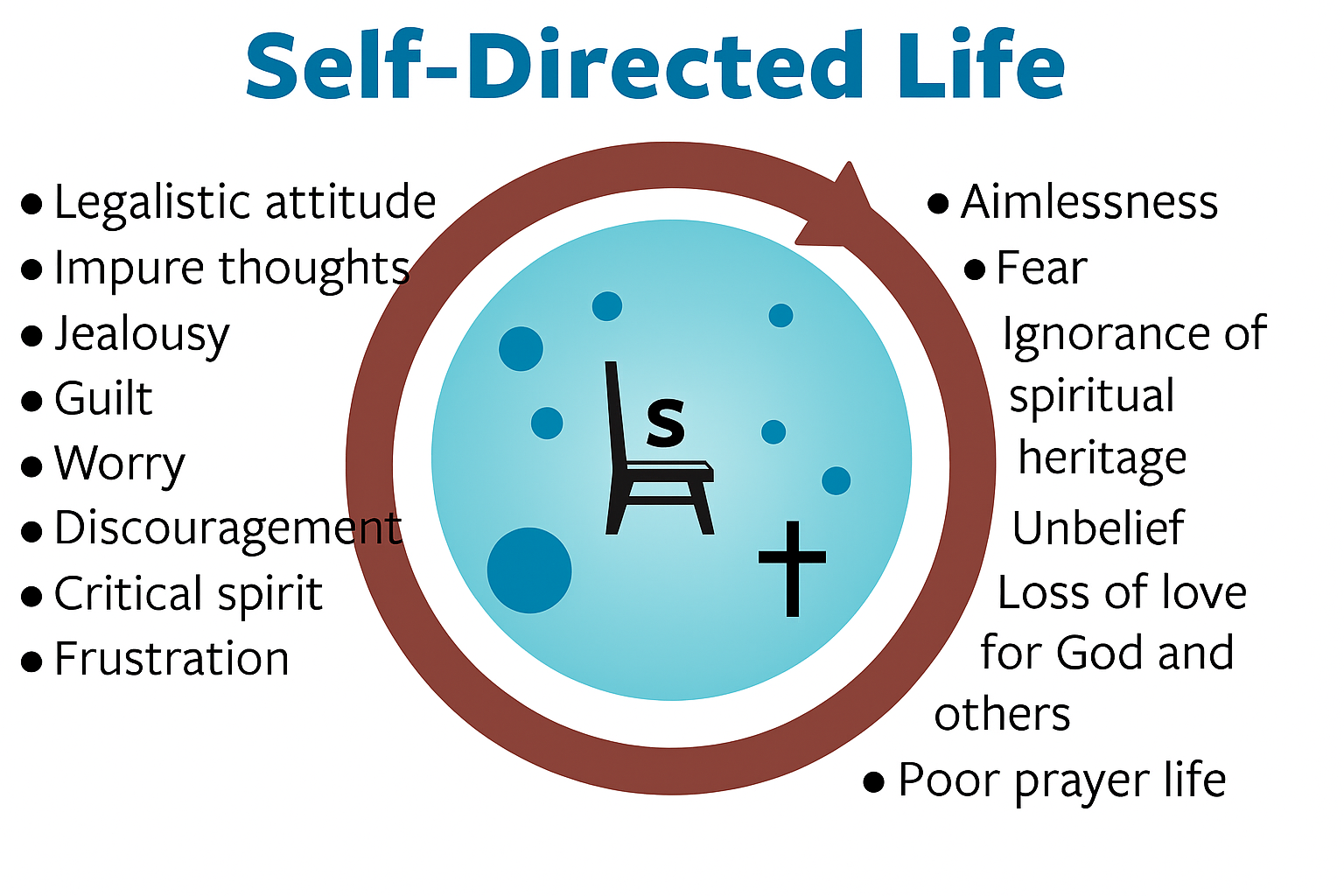
- Pride makes life revolve around self, not God
- Sin is more than wrongdoing—it is self at the center instead of God.
- Romans 1:24, 26, 28 – “God gave them up” to their own desires.
- Isaiah 53:6 – “All we like sheep have gone astray… every one to his own way.”
- Pride keeps self on the throne
- Symptoms: envy, immorality, gossip, arrogance, cruelty.
- Romans 1:29–31 – full list of sins flowing from rejecting God.
- Judges 21:25 – “Every man did that which was right in his own eyes.”
- Salvation is deliverance from self, not self-improvement (Galatians 2:20).
- Pride blinds the mind
- When God is dethroned (in the throne of your life), sin no longer looks like sin. (God is still sovereign and on His throne in heaven. He allows man to exercise freewill)
- Isaiah 5:20 – calling evil good, and good evil.
- Jeremiah 17:9 – “The heart is deceitful above all things, and desperately wicked.”
- 2 Corinthians 4:4 – “The god of this world hath blinded the minds of them which believe not.”
- Pride enslaves, but Christ frees
- Sin deceives us into thinking we are free.
- John 8:33–34 – “Whosoever committeth sin is the servant of sin.”
- Romans 6:16–18 – slaves of sin, but made free through obedience to Christ.
- Reconciliation requires redemption, not just forgiveness (Colossians 1:13–14).
- Only Christ restores God to His rightful place in our lives (Philippians 2:9–11).

Ang Tunay na Layunin ng Buhay

5 Susi sa Pag-unawa…
Ang Totoong Layunin sa Buhay
Maari ba kitang tanungin?
Ano ang pangunahing layunin mo sa buhay?
Naisip mo na ba ito?
Ang magtapos ng pag-aaral, magpakasal, o magpalaki ng mga anak ay hindi ang pangunahing layunin ng ating buhay. Mga mithiin lamang ito na umiikot sa tunay na layunin.
Hindi tayo nabubuhay para magtrabaho, kundi tayo ay nagtatrabaho upang mabuhay. Ngunit ano nga ba ang pangunahing layunin ng pamumuhay?
“Sapagka’t kayo’y binili sa halaga: luwalhatiin nga ninyo ang Dios sa inyong katawan, at sa inyong espiritu, na pawang sa Dios.” (1 Corinto 6:20)
1. May magandang layunin ang Diyos para sa iyong buhay
“Sapagka’t nalalaman ko ang mga pagiisip na aking iniisip tungkol sa inyo, sabi ng Panginoon, mga pagiisip ng kapayapaan, at hindi kasamaan, upang bigyan kayo ng pagasa sa inyong huling wakas.”
(Jeremias 29:11)
“Hindi pumaparito ang magnanakaw, kundi upang magnakaw, at pumatay, at pumuksa: ako’y naparito upang sila’y magkaroon ng buhay, at magkaroon ng kasaganaan.”
(Juan 10:10)
Ngunit bakit karamihan sa mga tao ay walang tamang layunin sa buhay?
2. Ang tao ay makasalanan
“Sapagka’t ang lahat ay nangagkasala nga, at hindi nakaabot sa kaluwalhatian ng Dios.”
(Roma 3:23)
“Gaya ng nasusulat, Walang matuwid, wala, wala kahit isa.”
(Roma 3:10)
“Tayong lahat na gaya ng mga tupa ay nangaligaw; tayo’y tumungo bawa’t isa sa kanikaniyang daan; at ipinasan sa kaniya ng Panginoon ang kasamaan nating lahat.”
(Isaias 53:6)
3. May kaparusahan ang kasalanan
“Sapagka’t ang kabayaran ng kasalanan ay kamatayan; datapuwa’t ang kaloob na walang bayad ng Dios ay buhay na walang hanggan kay Cristo Jesus na Panginoon natin.”
(Roma 6:23)
“Nguni’t sa mga duwag, at sa mga hindi mananampalataya, at sa mga kasuklamsuklam, at sa mga mamamatay tao, at sa mga mapakiapid, at sa mga manggagaway, at sa mga mananamba sa diosdiosan, at sa lahat ng mga sinungaling, ang kanilang bahagi ay sa dagatdagatang nagniningas sa apoy at asupre; na siyang ikalawang kamatayan.”
(Apocalipsis 21:8)
4. Si Jesus lamang ang tanging lunas sa kasalanan ng tao
“Sapagka’t gayon na lamang ang pagsinta ng Dios sa sanglibutan, na ibinigay niya ang kaniyang bugtong na Anak, upang ang sinomang sa kaniya’y sumampalataya ay huwag mapahamak, kundi magkaroon ng buhay na walang hanggan.”
(Juan 3:16)
“At halos lahat ng mga bagay ay nililinis ng dugo ayon sa kautusan, at kung walang pagdanak ng dugo ay walang kapatawaran.”
(Hebreo 9:22)
“Lubha pa nga, ngayong inaring-ganap sa pamamagitan ng kaniyang dugo, ay mangaliligtas tayo sa galit ng Dios sa pamamagitan niya.”
(Roma 5:9)
5. Dapat natin Siyang tanggapin bilang personal na Panginoon at Tagapagligtas
“Datapuwa’t ang lahat ng sa kaniya’y nagsitanggap, ay pinagkalooban niya sila ng karapatang maging mga anak ng Dios, sa makatuwid baga’y sa mga nagsisisampalataya sa kaniyang pangalan.”
(Juan 1:12)
“Sapagka’t sa biyaya kayo’y nangaligtas sa pamamagitan ng pananampalataya; at ito’y hindi sa inyong sarili, ito’y kaloob ng Dios.”
(Efeso 2:8)
“Sinasabi ko sa inyo: Hindi! kundi kung hindi kayo mangagsisi, ay mangalilipol kayong lahat sa gayon ding paraan.”
(Lucas 13:3)
COMMITMENT
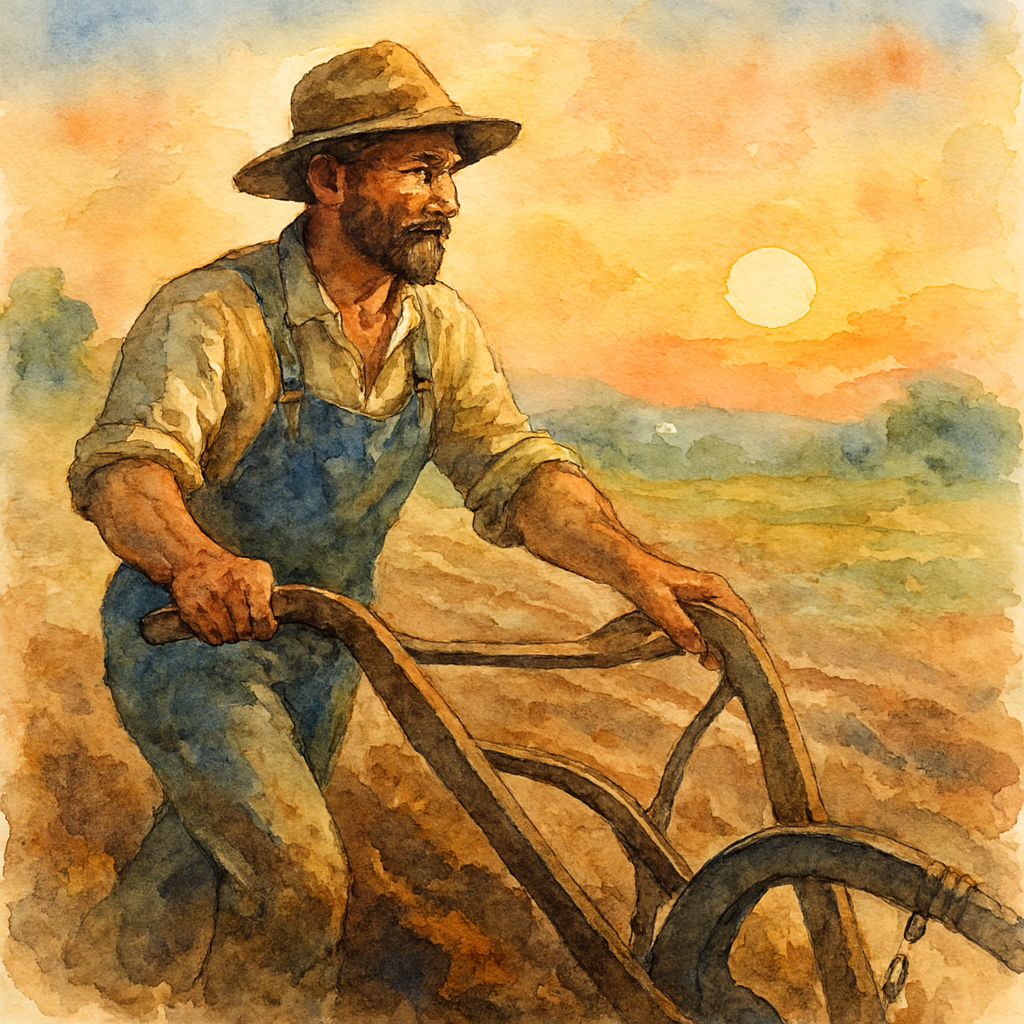
“And Jesus said unto him, No man, having put his hand to the plow, and looking back, is fit for the kingdom of God.”
By E. Jardinel
Introduction
Commitment is one of the greatest needs in our day. We live in a world full of tasks, responsibilities, and opportunities—but many lack the commitment to see them through. Jesus made it clear that His followers must not look back once they have committed to following Him.
Today, we will look at why commitment is important, what hinders it, and the blessings that come when we are fully committed to the Lord.
I. The Problem of Commitment Today
Many people start well but fail to finish because they lack commitment.
Maturity matters in commitment. A mature person handles responsibility and follows through; an immature one avoids responsibility and quits easily.
Commitment is needed in every area of life—family, work, relationships, and especially in serving God.
Whenever there’s true commitment, the cause usually succeeds. Even secular causes like communism succeed because of their members’ commitment. How much more should God’s people be committed to His work?
II. The Need for Commitment
A. Christians Have the Greatest Task on Earth
For what shall it profit a man, if he shall gain the whole world, and lose his own soul?
(Mark 8:36)
Luke 19:10 shows Christ’s main purpose: to seek and save the lost.
For the Son of man is come to seek and to save that which was lost.
(Luke 19:10)
Many work hard for things that will not last, but the work of God is eternal.
“Only one life, ’twill soon be past; only what’s done for Christ will last.”
B. Commitment Is Required to Carry Out This Task
1. Jesus requires commitment (Luke 14:26–33).
2. The Apostles required commitment (2 Timothy 2:2).
3. Pastors and leaders require commitment to accomplish God’s mission.
—
III. Hindrances to Commitment
A. Lack of Maturity
1. Social maturity – Ability to relate well with others.
2. Emotional maturity – Ability to cope with responsibility (like a father providing for his family).
3. Spiritual maturity – Ability to exercise spiritual knowledge (Hebrews 5:13–14).
B. Lack of Understanding and Motivation
1. Lack of understanding: Some people don’t see the value of the task.
Communists understand their purpose and impact their society.
The early church understood their purpose and turned the world upside down (Acts 17:6).
2. Lack of motivation: Some understand but are not motivated to act.
Proverbs 11:30 shows wisdom is applying knowledge.
Motivation grows through discipleship:
Jesus invested in disciples (Mark 3:13–14).
The result of discipleship is tremendous (Acts 4:17).
There is a difference between extrinsic motivation (external rewards) and intrinsic motivation (heart-driven obedience).
—
C. Concern Over Self More Than the Lord’s Cause
Jesus told us not to worry about ourselves because He is able to provide (Matthew 6:27–34). Our responsibility is to seek His kingdom and His righteousness first (Matthew 6:33).
When God calls, He also provides. Our job is to follow; His job is to supply.
The problem is that we often don’t trust His ability, so we hesitate to follow Him.
You can’t add even one cubit to your life by worrying (Matthew 6:27).
Do your best for the Lord, and He will give His best to you.
When We Are Over-Concerned About Ourselves, the Result Is Frustration
Example: Jonah
Jonah was so focused on himself that he disobeyed God (Jonah 1:1–6).
It was costly.
It was risky.
It affected others (his sleeping showed a lack of concern for others).
Jonah’s concern for his own comfort even after Nineveh repented caused God to rebuke him (Jonah 4:4–10).
Lesson:
Some people are born rich, others poor, but God calls all to be faithful.
If we are faithful in the little things, God will give the increase (Matthew 25:23; 2 Corinthians 9:6 -7).
—
III. The Blessings of Commitment (Proverbs 13:19)
A. Rewards in This Life
1. Great joy in a task well done, especially in soul-winning.
2. Quality training through discipleship (2 Timothy 2:2).
The pastor trains you for ministry, and submission brings growth.
3. God’s favor and blessing (Deuteronomy 5:5–6).
Blessed effort → successful ministry.
Effective prayer (John 15:7).
Desires fulfilled (Psalm 37:4; Proverbs 18:22).
Material blessing.
4. Men’s favor.
Churches and mission boards look for faithful people who have proven themselves.
B. Rewards After This Life – Five Crowns
1. Incorruptible Crown – 1 Corinthians 9:25
2. Crown of Rejoicing – 1 Thessalonians 2:19
3. Crown of Life – Revelation 2:10
4. Crown of Glory – 1 Peter 5:4
5. Crown of Righteousness – 2 Timothy 4:8
—
Conclusion
If you want rewards in heaven and joy, blessings, and success on earth, you must be committed—to the Lord, to your task, to your pastor, and to your leaders.
You cannot be committed unless you are humble, teachable, mature, and have a deep concern for God’s work. Think of your future, not just now. It is very hard to live and work without God’s blessings and happiness.
Finally, don’t expect blessings from man —expect them from God. He knows your heart, and He rewards faithfulness.
—

Studies of Romans 8:1-17
Please click on the link

GOD WILL SAVE THE AFFLICTED PEOPLE
“GOD WILL SAVE THE AFFLICTED PEOPLE BUT BRING DOWN HIGH LOOKS”
“Thou wilt save the afflicted people; but wilt bring down high looks.” (Psalm 18:27)
I. GOD WILL SAVE THE AFFLICTED PEOPLE
1. Afflicted – affected or troubled (as by disease), ill, suffering, oppressed.
2. People – those in need of God’s help and salvation.
3. Save – It is deliverance from suffering, affliction, or punishment.
B. Who Are the Afflicted People?
1. Believers Have Many Afflictions – Ps 34:19; 2 Cor 1:5
Many are the afflictions of the righteous: but the LORD delivereth him out of them all.
(Psalms 34:19)
2. All Men Have Troubles – Job 5:7; Ps 32:10
Yet man is born unto trouble, as the sparks fly upward.
(Job 5:7)
Many sorrows shall be to the wicked: but he that trusteth in the LORD, mercy shall compass him about.
(Psalms 32:10)
3. Lost people convicted by the Holy Spirit, burdened by sin – Jn 16:8; Isa 55:1; Mt 11:28; Mk 2:17; Lk 18:13; 2 Cor. 7:10; Jam 2:5
For godly sorrow worketh repentance to salvation not to be repented of: but the sorrow of the world worketh death.
(2 Corinthians 7:10)
II. GOD WILL BRING DOWN HIGH LOOKS
A. The Bible Warns That Pride Leads to Downfall
1. Prov 16:18; Isa 10:12
Pride goeth before destruction, and an haughty spirit before a fall.
(Proverbs 16:18)
Wherefore it shall come to pass, that when the Lord hath performed his whole work upon mount Zion and on Jerusalem, I will punish the fruit of the stout heart of the king of Assyria, and the glory of his high looks. (Isaiah 10:12)
2. Example: Nebuchadnezzar (Dan 4)
That they shall drive thee from men, and thy dwelling shall be with the beasts of the field, and they shall make thee to eat grass as oxen, and they shall wet thee with the dew of heaven, and seven times shall pass over thee, till thou know that the most High ruleth in the kingdom of men, and giveth it to whomsoever he will.
(Daniel 4:25)
B. What Is Pride?
1. Boasting – Rom 1:22; Eph 2:8–9; 2 Cor 12:5
Professing themselves to be wise, they became fools,
(Romans 1:22)
2. Exalting Self – Lk 18:10-14
The Pharisee stood and prayed thus with himself, God, I thank thee, that I am not as other men are, extortioners, unjust, adulterers, or even as this publican.
(Luke 18:11)
3. Thinking of Self Beyond One’s Measure – Rom 12:3
For I say, through the grace given unto me, to every man that is among you, not to think of himself more highly than he ought to think; but to think soberly, according as God hath dealt to every man the measure of faith. (Romans 12:3)
4. Not Realizing One’s Limitations – Rom 2:23
Thou that makest thy boast of the law, through breaking the law dishonourest thou God?
(Romans 2:23)
5. Not Seeing One’s Need of God – Ps 17:10; 10:17
They are inclosed in their own fat: with their mouth they speak proudly.
(Psalms 17:10)
6. Being Ungrateful and Dishonorable – Rom 1:21
Because that, when they knew God, they glorified him not as God, neither were thankful; but became vain in their imaginations, and their foolish heart was darkened.
(Romans 1:21)
7. Judging Others Easily, Ignoring One’s Own Errors – Mt 7:1–3; Jas 4:6–12
Judge not, that ye be not judged. For with what judgment ye judge, ye shall be judged: and with what measure ye mete, it shall be measured to you again. And why beholdest thou the mote that is in thy brother’s eye, but considerest not the beam that is in thine own eye?
(Matthew 7:1-3)
8. Rejecting God – Rom 1:28–30; Ps 10:4
The wicked, through the pride of his countenance, will not seek after God: God is not in all his thoughts.
(Psalms 10:4)
9. Not Seeking Counsel, Wisdom, Knowledge – Prov 8:33–36; Hos 4:6; Prov 9:7–10
Hear instruction, and be wise, and refuse it not.
(Proverbs 8:33)
10. Not Trusting God – Ps 97:7 —
Confounded be all they that serve graven images, that boast themselves of idols: worship him, all ye gods. (Psalms 97:7)
III. WHO WILL GOD BRING DOWN?
A. Unsaved People (Rejectors of God)
1. Unbelievers – Jn 3:36, 18
He that believeth on him is not condemned: but he that believeth not is condemned already, because he hath not believed in the name of the only begotten Son of God.
(John 3:18)
He that believeth on the Son hath everlasting life: and he that believeth not the Son shall not see life; but the wrath of God abideth on him.
(John 3:36)
2. Those Who Die in Their Sins – Jn 8:24; Rev 21:8 (includes sin of unbelief)
I said therefore unto you, that ye shall die in your sins: for if ye believe not that I am he, ye shall die in your sins.
(John 8:24)
But the fearful, and unbelieving, and the abominable, and murderers, and whoremongers, and sorcerers, and idolaters, and all liars, shall have their part in the lake which burneth with fire and brimstone: which is the second death.
(Revelation 21:8)
3. Those Who Do Not Admit Themselves as Sinners – Mark 2:17; Lk 18:14, 12
When Jesus heard it, he saith unto them, They that are whole have no need of the physician, but they that are sick: I came not to call the righteous, but sinners to repentance.
(Mark 2:17)
4. The Self-Righteous – Mk 2:17; Mt 9:12
But when Jesus heard that, he said unto them, They that be whole need not a physician, but they that are sick.(Matthew 9:12)
5. Haters of God – Jn 15:23; Rom 1:30
Backbiters, haters of God, despiteful, proud, boasters, inventors of evil things, disobedient to parents,
(Romans 1:30)
He that hateth me hateth my Father also.
(John 15:23)
6. Those Who Forget God – Ps 9:17; 50:22
The wicked shall be turned into hell, and all the nations that forget God.
(Psalms 9:17)
Now consider this, ye that forget God, lest I tear you in pieces, and there be none to deliver.
(Psalms 50:22)
7. Those Who Do Not Think of God – Ps 10:4; Ps 53:1b–6
The wicked, through the pride of his countenance, will not seek after God: God is not in all his thoughts.
(Psalms 10:4)
To the chief Musician upon Mahalath, Maschil, A Psalm of David. The fool hath said in his heart, There is no God. Corrupt are they, and have done abominable iniquity: there is none that doeth good. God looked down from heaven upon the children of men, to see if there were any that did understand, that did seek God. Every one of them is gone back: they are altogether become filthy; there is none that doeth good, no, not one.
(Psalms 53:1-3)
8. Those Who Disobey the Gospel – Acts 20:21; Mk 1:15; 2 Thes 1:8 Arrogant – 1 Sam 15:23; Prov 17:11
Testifying both to the Jews, and also to the Greeks, repentance toward God, and faith toward our Lord Jesus Christ.
(Acts 20:21)
And saying, The time is fulfilled, and the kingdom of God is at hand: repent ye, and believe the gospel.
(Mark 1:15)
In flaming fire taking vengeance on them that know not God, and that obey not the gospel of our Lord Jesus Christ:
(2 Thessalonians 1:8)
The unbelievers will suffer punishment in hell. God will bring them down to eternal suffering so they will realize that God is God and is sovereign.
B. Believers who are living in sin will be chastened or disciplined only in their earthly life. God’s children will not go to hell.
1. God Disciplines His Children when they commit sin– Heb 12:6; 1 Cor 11:32
And ye have forgotten the exhortation which speaketh unto you as unto children, My son, despise not thou the chastening of the Lord, nor faint when thou art rebuked of him: For whom the Lord loveth he chasteneth, and scourgeth every son whom he receiveth. If ye endure chastening, God dealeth with you as with sons; for what son is he whom the father chasteneth not? But if ye be without chastisement, whereof all are partakers, then are ye bastards, and not sons. Furthermore we have had fathers of our flesh which corrected us, and we gave them reverence: shall we not much rather be in subjection unto the Father of spirits, and live? (Hebrews 12:5-9)
2. Unrepentant Children of God – Rev 3:19; Heb 12:6 Repent & Confess – 1 Jn 1:8–10
Examples of Contrition – Ps 51:12; 32:25; 34:8; Ps 38:18 —
As many as I love, I rebuke and chasten: be zealous therefore, and repent.
(Revelation 3:19)
If we say that we have no sin, we deceive ourselves, and the truth is not in us. If we confess our sins, he is faithful and just to forgive us our sins, and to cleanse us from all unrighteousness. If we say that we have not sinned, we make him a liar, and his word is not in us.
(1 John 1:8-10)
IV. WHAT SHOULD YOU DO?
1. If you are not saved yet, God Commands the Wicked to Repent – Isa 55:7; Mk 2:17
2. If you are already a child of God and you displeased him, confess your sins. 1 John 1: 9
Self-Examination & Repentance – 2 Cor 13:5; 1 Cor 11:28; Ps 139:23 —
(Other Scriptures to read: 2 Sam 22:28; Job 22:29; Ps 16:6–7; Ps 119:69, 75; Isa 58:10; Zeph 3:12; James 4:9)

 STEP BY STEP